Planning your visit to Chianti wine country
You can't just show up in Chianti and wing it - well you can, but half the day gets wasted figuring out where the hell you're supposed to go. The region is not one town, its dozens of villages spread across rolling hills with wineries tucked down dirt roads that GPS sometimes just gives up on.
This page walks through everything you actually need to know before booking a Chianti tour or driving yourself. Best times to visit, what to pack (spoiler: comfortable shoes matter way more than you think), where to base yourself if you're staying overnight, and which type of tour fits different travel styles. No fluff, no "authentic Tuscan experience" nonsense - just practical info so your Chianti day works.
How to visit Chianti from Florence (or Siena)
Most people start from Florence because that's where the hotels are. From the city center it takes about 30 - 40 minutes by car to hit proper vineyard territory, closer to an hour if you're aiming for deeper spots like Radda or Castellina. Siena works too - its maybe 20 minutes to the southern edge of Chianti Classico but you've got fewer tour options. For detailed transport options including trains, buses, and taxis, check our full directions guide.
Driving yourself gives freedom to stop wherever looks good, but Italian country roads are narrow and parking at estates fills fast in high season. Most wineries want appointments, so "just showing up" rarely works anymore. A guided tour handles logistics, transport and bookings - you just sit in the van and look out the window. Private tours cost more but you set the pace and skip group small talk if that's not your thing.
Quick visit (3 - 4 hours): One winery, quick village walk, maybe a viewpoint if the driver knows a good one. Gets you in and out fast but feels a bit rushed.
Half-day (5 - 6 hours): Two wineries, proper lunch somewhere with a terrace, time to wander a market or peek into a medieval church. This is the sweet spot for most first-timers.
Full day (7 - 9 hours): Three estates, a sit-down lunch that stretches past 2pm, village stops in places like Greve or Panzano, olive oil tasting if you still have room. You'll be tired but satisfied.
When to visit Chianti
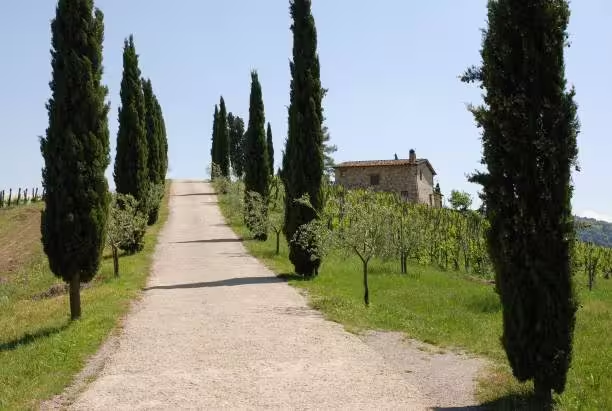
Spring (April - June): Hills turn green, wildflowers everywhere, temps in the low 20s Celsius. Estates are quieter, you get more attention at tastings. Downside - occasional rain and some vineyards look a bit scraggly before summer kicks in.
Summer (July - August): Hot. Like, properly hot by mid-afternoon. Vines are lush, everything photographs beautifully, but tour buses clog up the roads and tasting rooms get crowded. Book early or go weekdays if you can.
Fall (September - October): Harvest season - the absolute best time if you want that golden light, grape-picking energy, and wine festivals in every village. It's also peak tourist season so prices jump and good tours sell out weeks ahead.
Winter (November - March): Cold, quiet, some estates close or cut hours. But if you like empty roads and cozy cellars with just you and the winemaker, winter has a charm. Just check opening times before driving out.
What to pack for a Chianti wine tour
- Comfortable shoes: Not heels, not brand-new sneakers. You'll walk on gravel, cobblestones, and vineyard paths. Broken-in flats or light hiking shoes work best.
- Layers: Mornings can be cool even in summer, then by noon you're roasting. Bring a light jacket or cardigan you can stuff in a bag.
- Sunglasses & hat: Vineyards have zero shade. Your future self will thank you around 2pm when the sun's directly overhead.
- Water bottle: Most tours provide water but not always enough. Dehydration + wine = headache by evening.
- Small bag or backpack: For impulse wine purchases (you will buy bottles), phone, sunscreen, snacks if you get hungry between stops.
- Cash: Some tiny village shops and farm stands don't take cards. 20 - 30 euros in small bills covers gelato, tips, random olive oil jars.
Don't overpack: You're not hiking Everest. Leave the big camera gear unless photography is your main thing - phones work fine for vineyard shots. And if you're planning to eat at local trattorias, our restaurants guide has solid recommendations for lunch spots in different villages.
Timing your Chianti visit
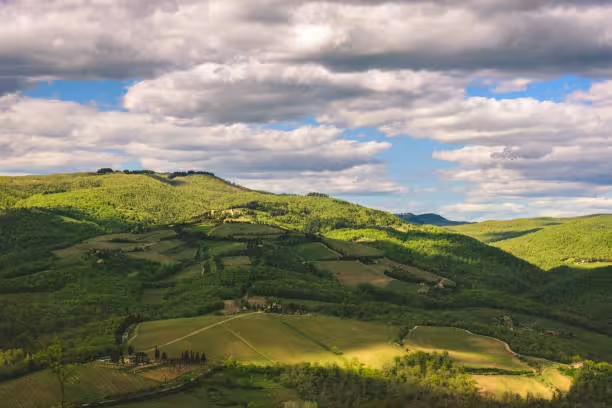
Tours leaving Florence usually pick you up between 8:30 - 9:30am. That sounds early, but it means you beat the midday heat and hit wineries before they fill with other groups. Morning light is also better for photos - softer, less harsh shadows on those postcard vineyard shots everyone wants.
Lunch typically happens around 1 - 2pm at an estate or village trattoria. Italian lunches stretch long, which is part of the appeal but also means the afternoon portion feels shorter than the itinerary suggests. If you're on a half-day tour and lunch isn't included, you might end up hungry and cranky by 3pm.
Returning to Florence usually means a 5 - 6pm dropoff for half-days, closer to 7 - 8pm for full days. Factor this in if you've got dinner reservations or evening plans - Tuscan roads can add surprise delays, especially during harvest when tractors block lanes.
Weekdays vs weekends: Saturdays get slammed, especially May through October. If your schedule allows it, go Tuesday through Thursday for smaller groups and more relaxed tastings. Sundays some estates close or run limited hours, so double-check.
Where to stay in Chianti
If you want to base yourself in Chianti for a few nights instead of daytripping from Florence, pick a village with a few restaurants and a grocery store. That way you're not driving 20 minutes just to grab breakfast supplies.
Greve in Chianti: The most "central" base - good restaurants, wine shops, a lively market square on Saturdays. Easy access to surrounding estates but can feel a bit touristy in summer.
Panzano: Smaller, quieter, amazing butcher shop (Dario Cecchini - locals either love him or find him exhausting). Great if you want a more low-key vibe and don't mind a 15-minute drive to reach other villages.
Radda or Gaiole: Deeper into the hills, fewer tourists, more "authentic" but also fewer dining options. You'll drive more to reach different estates, and some roads get tricky at night.
Agriturismos: Farm stays scattered across the countryside - often gorgeous, sometimes isolated. Make sure yours has air conditioning (not all do) and check if they serve breakfast or you're on your own.
Booking tip: Places with "panoramic views" usually mean steep driveways and lots of stairs. If you've got mobility concerns or heavy luggage, check access before booking.
What's usually included in Chianti wine tours
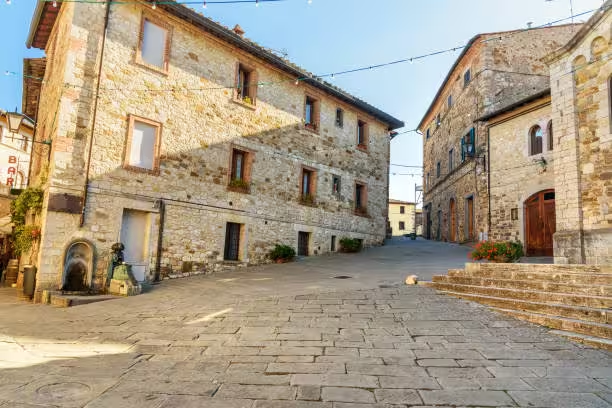
Read the fine print on tour descriptions because "included" varies a lot. Most organized tours from Florence or Siena cover transport (minivan or small bus), winery visits with tastings, and a guide who knows the roads. Lunch is sometimes included, sometimes not - if it says "lunch stop" instead of "lunch included," you're paying separately.
Typically included: Roundtrip transport, 2 - 3 winery visits, wine tastings (usually 3 - 5 wines per estate), tour guide, sometimes olive oil or balsamic tastings as a bonus.
Often NOT included: Lunch, extra wine purchases, gratuities, entrance fees to museums or castles if the tour adds cultural stops. Budget an extra 20 - 40 euros per person for lunch if it's not covered.
Private tours: More expensive but flexible. You can skip estates that bore you, linger longer at places you love, and adjust timing on the fly. Worth it for couples or small groups who don't want to follow a rigid schedule.
Services and logistics
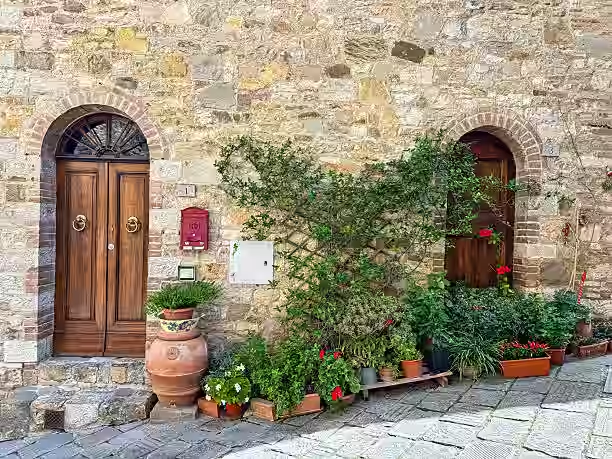
Pickup locations: Most Florence tours pick up from central hotels or a meeting point like Piazza della Repubblica. If your hotel is outside the center, you might need to get yourself to the pickup spot - check when booking.
Group sizes: Small group tours usually cap at 8 - 12 people. Larger buses fit 20 - 30 but feel more impersonal and take longer at each stop while everyone files through. Smaller is better if you can afford it.
Cancellation policies: Most tours require 24 - 48 hours notice for refunds. Some are stricter during peak season. Weather rarely cancels tours - rain just means tastings stay indoors and walks get shorter.
Language: English is standard, but if you want Italian, French, German or Spanish, book early because multilingual guides fill fast.
Accessibility: Most estates have gravel paths and stairs into cellars. Wheelchair access exists but is not universal - contact tour companies directly if mobility is a concern.
Tour rules and etiquette
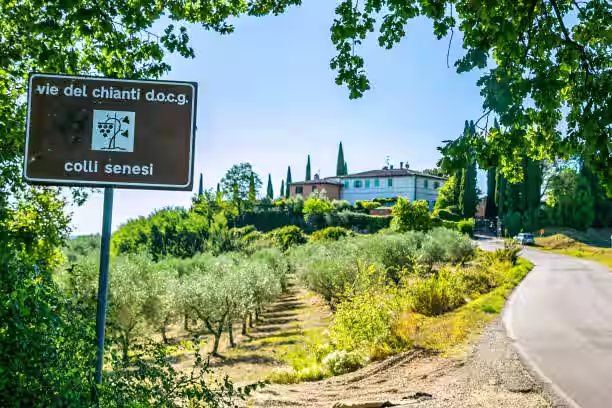
Be on time: Tours run on tight schedules. Estates block out specific time slots, and if your group is 15 minutes late, you might lose that tasting. Seriously, be ready at pickup time.
Respect the vineyards: Don't wander into vine rows for photos unless the guide says it's okay. Grapes are delicate, and vineyard managers get pissed when tourists trample plants.
Tasting etiquette: You don't have to finish every pour - spittoons exist for a reason. Swirl, sniff, taste, spit if you're done. No one judges you for not drinking 15 glasses of wine before noon.
Kids on tours: Some tours allow kids, others are adults-only. If you bring children, bring snacks and activities - wine cellars bore kids fast, and bored kids make everyone miserable.
Photos: Ask before photographing inside cellars or production areas. Some estates are fine with it, others have rules about social media or commercial use.
Tips from people who actually live in Chianti
- Early morning wins: Vineyards at sunrise are magical - mist in the valleys, soft light, almost no people. If you're staying overnight, set an alarm and drive to a viewpoint around 6:30 - 7am.
- Skip the famous names: Big estates like Antinori or Castello di Brolio are impressive but packed. Ask your guide about smaller family wineries - tastings feel more personal and wines are often just as good.
- Market days: Greve's Saturday market is the main one, but Panzano and Radda have smaller markets on weekday mornings. Great for fresh bread, cheese, and people-watching.
- Lunch strategy: If lunch isn't included in your tour, bring snacks. Finding a restaurant that's open, has space, and isn't a tourist trap takes time you don't have on a short tour.
- Buy wine at the source: Bottles cost way less at the estate than in Florence shops. If you love something, buy it there - you probably won't find that exact vintage back in the city.
- Fall colors peak late October: Everyone talks about September harvest, but late October is when the vine leaves turn gold and red. Photos look insane, crowds thin out, and temps drop to perfect sweater weather.
- Bring a cooler bag: If you're buying multiple bottles and driving around all day, wine gets hot in the car. A cheap insulated bag from a grocery store saves your purchases.
Planning your Chianti visit - common questions
What time should I book my Chianti tour for?
Morning tours (8:30 - 9am start) give you cooler temps, better light for photos, and first-slot tastings before estates fill up. Afternoon starts work if you're not a morning person, but you'll hit traffic and crowds.
Do I need to book Chianti tours in advance?
Yes, especially April through October. Good tours sell out weeks ahead during peak season. Last-minute bookings either don't exist or stick you on giant buses with 30 other people.
Can I visit Chianti wineries without a tour?
You can, but almost all estates require appointments now. Just showing up doesn't work. You'd also need a designated driver since Tuscan police take drunk driving seriously. Tours handle all that for you.
Is Chianti worth visiting in winter?
If you like quiet, yes. Empty roads, cozy cellar tastings, lower prices. But some estates close or run reduced hours November through March, and it gets cold - like actually cold, not Instagram cold. Check opening times before going.
Should I stay in Florence or in Chianti itself?
If you're doing one day, stay in Florence - easier logistics, more hotel options, things to do at night. For two or more days, base yourself in Chianti (Greve or Panzano) so you're not commuting an hour each way.
What if I don't drink alcohol?
Tell the tour company when booking. Most estates can offer grape juice, water, or just let you enjoy the views and food. Chianti is beautiful even if you're not into wine - the landscapes and villages are worth the trip alone.
How much should I budget for a Chianti day trip?
Tours range from 80 - 150 USD per person for small groups, 150 - 300+ for private. Add 20 - 40 for lunch if not included, 30 - 50 if you're buying wine bottles, and maybe 10 - 20 for random snacks or gelato. Call it 150 - 200 USD total per person for a comfortable day.
Are Chianti tours wheelchair accessible?
Some are, most aren't. Old estates have gravel, stairs, and narrow cellar entrances. A few modern wineries have ramps and elevators, but you need to ask tour companies specifically about accessibility - don't assume.