About Chianti wine tours
Chianti wine tours from Florence all sound similar in the ads, but on the ground they can feel completely different. One day you crawl behind big buses with a guide shouting into a mic, another day you are sitting at a long wooden table with three bottles open and nobody in a hurry yet.
Here we walk through what a real Chianti day trip from Florence in Tuscany looks like. When you actually leave the city, how long you sit in the van, how many tastings is normal, what kind of lunch to expect, and which style of tour fits people who hate being rushed, couples who want a bit of quiet, or friends who mostly want stories and a slightly fuzzy head on the way back.
How Chianti wine tours from Florence actually work
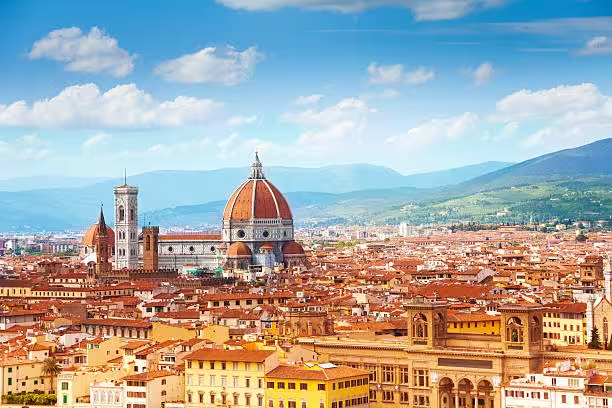
Most Chianti wine tours from Florence follow a simple frame even if every website tries to dress it up. On most wine tours you meet the group in town, drive out of the city, hit the first viewpoint or winery, taste a few glasses, maybe walk through a cellar, have lunch, then roll back toward Florence when the light is softer and everyone is a bit quieter.
The shape is the same, but the feeling is not. A small minivan with 8 - 12 people and one guide feels like a road trip, you hear little side stories about families and harvests. A big coach with 40 people and a microphone is cheaper, louder, and more like a moving classroom. This page is here so you can look past the shiny photos and pick the kind of Chianti day that actually fits how you travel.
Quick facts for Chianti wine tours from Florence
- Typical departure: most full day Chianti tours leave Florence between roughly 8:00 and 9:30 in the morning, half day trips tend to start later.
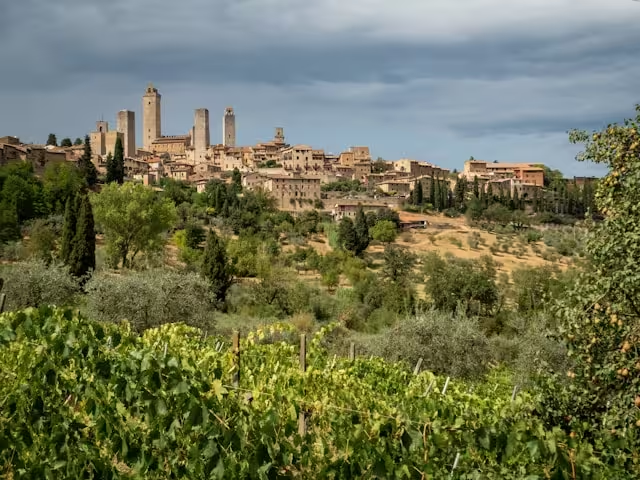
- Drive time to vineyards: count on 40 - 60 minutes from the center to the first real hills, longer if the bus does multiple pickup stops.
- Number of wineries: shared day trips almost always visit 2 estates, 3 is already a long day, more than that and the tastings blur together.
- How much wine: expect around 3 - 5 small pours at each winery, enough to compare Chianti and Chianti Classico without needing a nap by lunchtime.
- Languages: most tours run in English, some add a second language on the bus, private drivers can usually switch if you ask before you book.
- Walking level: light walking on gravel paths, cellar stairs, and village streets is normal, but long hikes are rare on classic wine tours.
What to expect on a Chianti wine tour from Florence
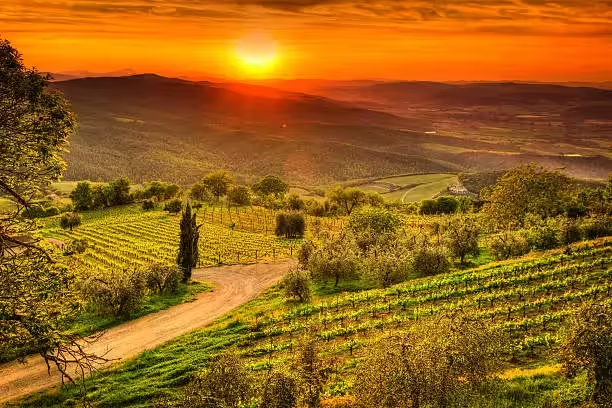
On a normal day you meet your guide near the center, check in, and find your seat on the minibus or coach. The first 20 minutes are city traffic and a bit of awkward small talk, then the buildings thin out and you finally see those striped hills everyone posts on Instagram. Some guides keep talking, some give you a break and let the view do the job for a while.
At the wineries you taste a mix of Chianti, Chianti Classico and maybe a Riserva, often paired with simple food like bread with olive oil or a plate of pasta. Lunch is usually family style, nothing too fancy but a lot more satisfying than a rushed sandwich at a bar. The ride back to Florence is slower in a good way - people trade stories, check the bottles they bought, or just sleep a bit while the driver does the work.
Things to know before booking your Chianti wine tour
How fast the day really moves
Cheap schedules tend to cram in more stops with less time to simply stand and look around. A good Chianti tour leaves space between tastings for photos, bathroom breaks, and a few quiet minutes just staring at the hills. If you hate feeling rushed, be suspicious of any tour that promises three wineries, a village and a big lunch all inside 7 hours, it sounds fun but in real life it is just a blur.
What tastings actually look like
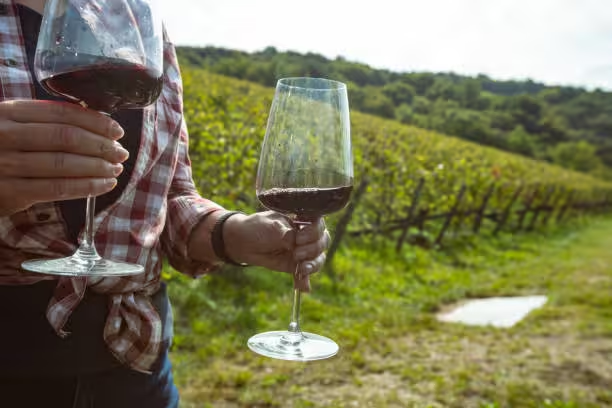
Most estates pour their everyday Chianti, at least one Chianti Classico, and maybe a Riserva or Super Tuscan. You stand or sit while someone explains the basics, then you get a few minutes to taste without constant talking. If a tour shouts about "unlimited wine" that usually means simple table wine with lunch, not endless serious tastings, so keep your expectations realistic.
How food fits into a wine tour day
On full day Chianti tours lunch is usually served at a winery or farmhouse, big plates of pasta, grilled vegetables, cured meats, sometimes dessert. It is not fancy restaurant food, more honest home style cooking that works well with the wines. Half day trips may only include snacks or a small board, so if you know you get hangry fast, check what is actually included before you pay.
How much time you spend out of the bus
Some tours are almost all cellar and tasting room, others give you real free time in a village square or at a viewpoint. Short photo stops on the side of the road are pretty, but they are not the same as forty minutes in Greve or Castellina. If every stop in the description is called a "photo stop" and nothing says "free time", expect to see most of Chianti through the window.
What the group vibe actually feels like
Eight people in a minivan feels like a small road trip, 30 - 50 on a coach is more anonymous but also cheaper. Younger groups can get loud and silly after the second stop, mixed age groups are usually calmer. Neither is "better" by default, it just depends what you want your one day in Chianti to feel like. For honeymoons or big birthdays, a small group or private driver is usually worth the extra money.
What your day looks like from Florence to the Chianti wineries
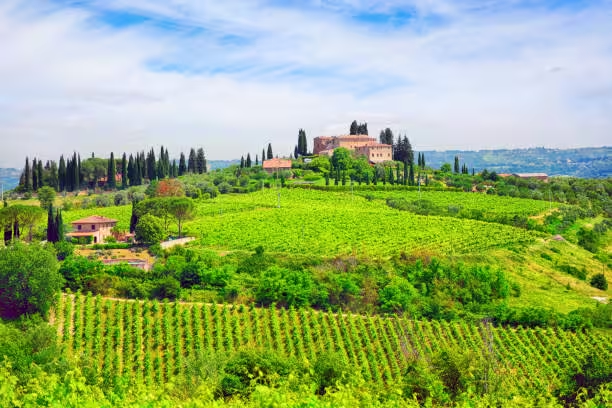
Your Chianti wine tours explained
10 questions about Chianti wine tours from Florence
1. When is the best time of year to take a Chianti wine tour?
Late April to June and September to mid October are the sweet spots. Spring is green and calm, harvest season has busy cellars and dramatic colors. July and August still work, just expect more heat, more people, and fewer truly quiet corners during the middle of the day.
2. How far in advance should I book a Chianti tour from Florence?
For high season weekends you want to look at least 2 - 3 weeks ahead for small group tours and even more for private drivers. Weekdays and shoulder months are more forgiving, you can often grab a spot a few days before, but leaving it to the night before is a bit of a gamble.
3. Will my Chianti tour pick me up at the hotel or from a meeting point?
Most shared tours use one or two central meeting points in Florence because going around hotels would eat the whole morning. Hotel pickup is more common with private drivers and custom itineraries. Always check the confirmation email so you do not wait in the lobby while your bus is already at the station.
4. Do Chianti wine tours include free time, or is everything guided?
Good itineraries mix guided parts with small breaks where you can wander a village, take photos, or just sit with a coffee. If the description only lists "photo stops" and nothing about free time, expect a tighter schedule where most minutes are structured by the guide.
5. What should I wear on a Chianti wine tour?
Think comfortable, not catwalk. Closed shoes with a bit of grip, clothes you do not mind brushing against barrels or dusty stone walls, and one light layer for breezy terraces or cool cellars. There is no strict dress code, but super formal outfits usually feel out of place once you are walking between vines.
6. What if I do not drink alcohol, can I still join a wine tour?
You can. Many people join tours mainly for the scenery, food, and stories, and skip or barely sip the wine. Tell the company in advance so they are not surprised, and ask if they offer reduced prices for non drinkers or alternative tastings like grape juice or extra food.
7. How much walking is there on a typical Chianti tour?
Most classic wine tours involve short walks on uneven ground, cellar steps, and a bit of time in village streets. If you have limited mobility or use a cane, look for tours that clearly mention "easy walking" or tell the operator so they can choose flatter estates and drop you close to the entrance.
8. Can I buy wine on the tour and ship it home?
Almost every winery will happily sell you bottles, and many can arrange shipping to your home country. Prices vary by destination, but for a small case it often ends up similar to paying extra airline baggage, just without carrying glass through airports. Keep receipts in case you need them at customs.
9. Are tips for Chianti tour guides and drivers expected?
Tipping in Italy is more low key than in some countries, but on tours it is normal to leave something if you had a good day. For shared tours people often give a few euros per person to the guide and sometimes the driver, private tours a bit more. Nobody should push you for it, it is a thank you, not an extra fee.
10. What is the difference between coach, small group, and private Chianti tours?
Coach tours use big buses, large groups, and fixed routes, they cost less but feel more anonymous. Small group tours cap numbers, often use minibuses, and usually stop at smaller estates with a bit more personality. Private tours are basically your own schedule with a driver guide, better if you care more about flexibility than price.