About the Chianti wine region
Chianti is that stretch of hills between Florence and Siena where every postcard shot seems real. Vineyards, stone farmhouses, tiny villages that still close for lunch. It is not just one town, not one single winery, and that is where a lot of travel blogs get it wrong.
If you have one free day in Tuscany you do not want to waste it stuck on a bus or rushed through five tasting rooms. This page is for people who like wine but also care about views, food, and not getting ripped off. We break down what Chianti actually is, how long it really takes to get around, and which kind of tour fits different travelers - slow couples, groups of friends, families who just want space for the kids to run between olive trees.
What is the Chianti wine region, really
Chianti is not one single town or one postcard winery, it is a whole wine zone in central Tuscany between Florence and Siena. Hills, valleys, tiny stone hamlets, a million shades of green in spring and golden vineyards in fall. When people say "Chianti" they usually mean Chianti Classico - the historic heart where the black rooster logo comes from - but the wider region stretches way beyond that old boundary.
The grapes are built around Sangiovese, but every village leans a bit different. Higher spots pour brighter, more acidic wines that feel almost salty with the breeze. Lower valleys are softer, plusher, easier to drink at lunch without knocking you out. None of this shows up on a generic tour brochure, which is why a bit of context before you book saves you from that slightly disappointing "we could have been anywhere" feeling.
Quick information about Chianti
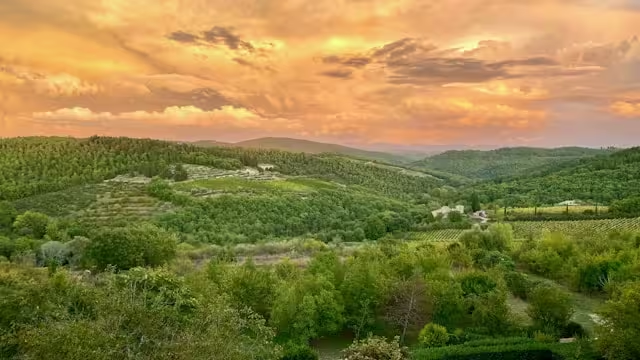
- Distance from Florence: first proper vineyards start about 30 - 40 minutes south of the city center by car or minivan.
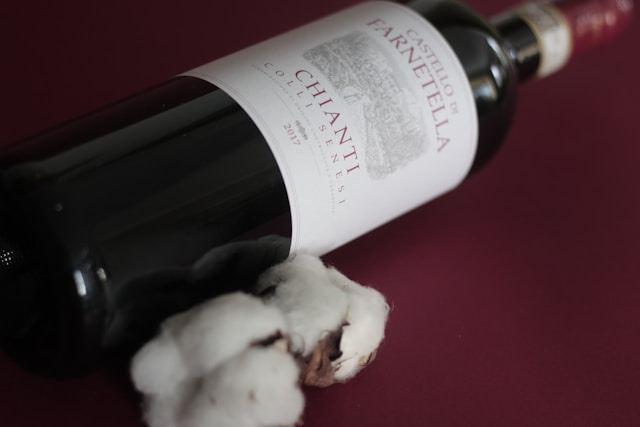
- Main wine styles: Chianti, Chianti Classico, Chianti Classico Riserva, plus a few rule-breaking Super Tuscan reds.
- Best months: late April through June for flowers and mild temps, September - October for harvest and wild colors.
- Good base towns: Greve in Chianti, Castellina, Radda, Gaiole, Panzano - each with its own little vibe.
- Driving time for a classic loop: about 6 - 8 hours including two wineries and one hilltop village without rushing lunch.
- Public transport: technically possible, not fun. For a day trip from Florence you either book a tour or rent a car with a sober driver.
How to book Chianti wine tours from Florence without wasting your day
Tour options fall into three big buckets: huge buses, small groups, and private drivers. Large buses are cheaper and fine if you only care about sipping some red and seeing a vineyard from the parking lot. Small groups (8 - 16 people) cost more but usually stop at better estates, give you real time with the guide, and feel way less like a school trip. Private tours or a driver guide are the splurge choice when you want full control over timing and where you go.
We think it is smarter to book around how you like to travel rather than chasing "the best winery". If you hate crowds, avoid Saturday mega tours in high season. If you get carsick, pick itineraries that do not zigzag all day on backroads. If you are in Florence for just two nights, a shorter afternoon tour might be saner than a dawn-to-dark marathon. Booking engines rarely say this out loud, but you are not buying just tastings, you are buying how your one free day will actually feel.
Why Chianti is a must-visit, even if you are not a wine geek
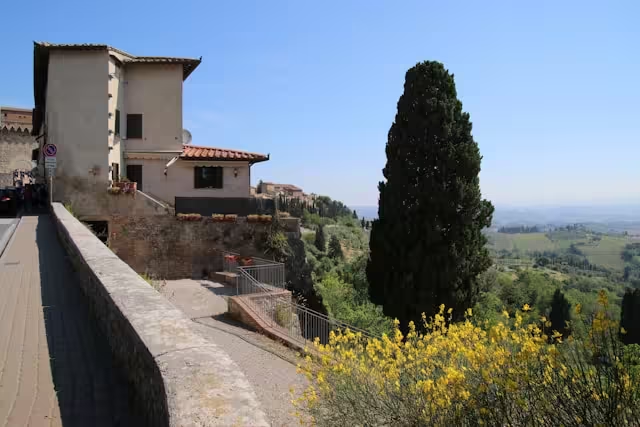
Hills that do not quite look real
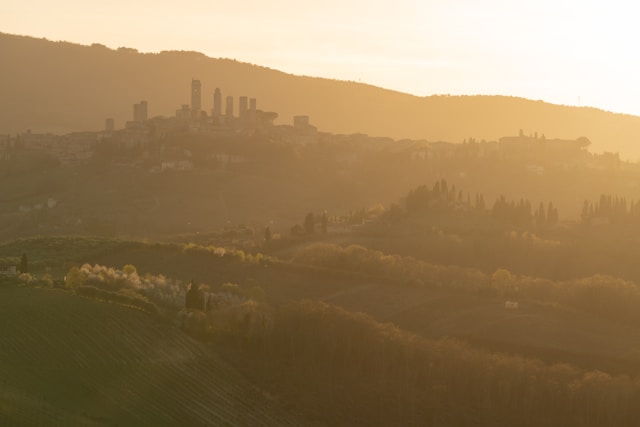
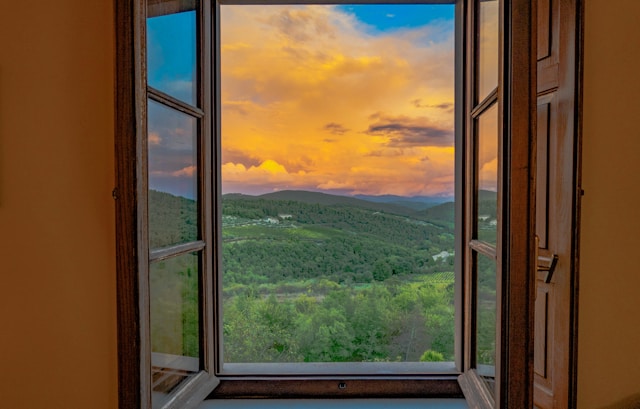
The classic Chianti view is lines of vines rolling over soft hills with a lone farmhouse and a cypress lane on the ridge. You see versions of that from Greve up to Lamole and all along the road toward Radda. On clear evenings you can sometimes pick out the dome of Florence way in the distance while you are tasting. It is one of those landscapes that makes you quiet for a second without really knowing why.
Wine, olive oil, and food that is not trying too hard
Tastings in Chianti normally include a basic Chianti, one or two Chianti Classico labels, sometimes a Riserva, plus estate olive oil and maybe a honey or cured meat plate. You sit at big wooden tables, nothing fancy, but when the pairing hits - local pecorino with a slightly salty Sangiovese - it feels like the region suddenly makes sense. Even people who "do not know wine" walk out with a bottle they are weirdly proud of.
Small towns that still feel lived in
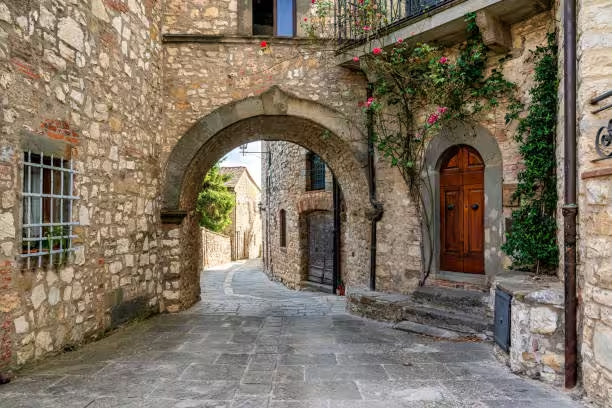
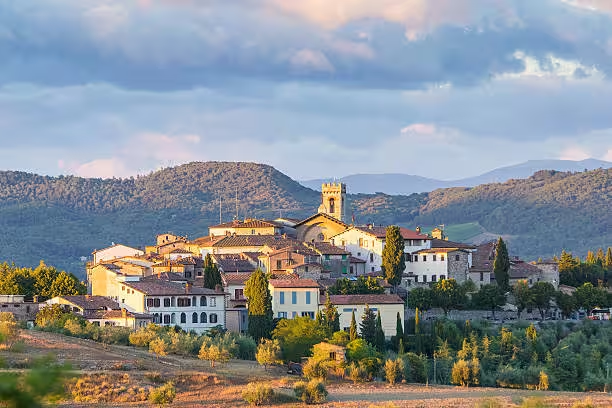
Greve, Panzano, Radda, Castellina - these are not museum villages built just for Instagram. Locals still argue in the piazza, teenagers hang out on stone steps, and the weekly market sells socks next to salami. Spending even 45 minutes wandering around one of these places between wineries breaks up the day and keeps the trip from turning into "glass number seven" territory.
Roads made for slow driving, not rushing
The Chiantigiana road (SR222) snakes through vineyards and oak woods with constant wow moments. Windows down, warm air, a bit of dust in the light. With a good driver you are not stuck staring at the back of another bus the whole time. A lot of the magic is actually between stops, those ten minute stretches where the guide shuts up and everyone just looks out the window.
A slower rhythm right outside a busy city
Florence can feel packed and loud, especially in summer. Chianti is the opposite. Roosters, tractors, the clink of glasses, thats about it. Even on popular tours there is usually a moment when you step away from the group, lean on a low stone wall and just breathe. It is a reset button for your Italy trip that you will remember more than half the museums.
Key areas inside the Chianti wine region
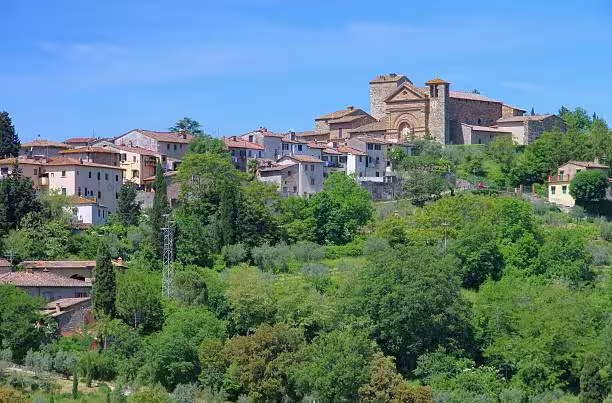
What to see on a first Chianti visit
For a first timer we like a simple structure: one village, two wineries, one proper lunch, one or two short scenic stops. That is it. You do not need five estates to understand Chianti and your palate will be happier with fewer, better tastings. Mix a family run farm with a slightly larger, more polished winery so you get both sides of the story.
- Start with a morning tasting at a small estate while it is still quiet.
- Walk a village like Greve or Castellina while the day warms up.
- Have a long lunch with wine pairings instead of rushing a sandwich at the bar.
- Finish with one more relaxed tasting or a viewpoint like Lamole before heading back to Florence.
Tips for visiting Chianti that locals wish more people knew
- Do not overbook tastings: three full tastings in one day sounds fun until hour six when you are tired and slightly over it.
- Wear real shoes: vineyards are dirt and gravel, not city sidewalks. Heels in the vines are a comedy show.
- Eat more than you think: Tuscan pours are generous, and you do not want to power taste on an empty stomach.
- Plan for weather swings: spring and fall can flip from hot sun to chilly wind fast, so bring a light layer.
- Ship wine if needed: carrying six bottles on trains is a headache. Most estates can ship straight home, sometimes cheaper than airlines baggage fees.
- Ask dumb questions: winemakers have heard everything. Better to ask what "Riserva" really means than pretend you know.
Navigate Chianti with an easy-to-use directions guide
10 frequently asked questions about Chianti
1. Is Chianti a town or a region?
It is a wine region. There is a village called Chianti Classico on some maps, but when people talk about "going to Chianti" they mean the wider countryside between Florence and Siena, dotted with many towns.
2. How long does a Chianti day trip from Florence really take?
Expect 6 - 9 hours door to door depending on how many stops you add. Anything shorter than 5 hours usually means you are not getting far beyond the closest estates.
3. Do I need to know about wine to enjoy a tour?
Not at all. Good guides explain things in plain language, let you taste side by side, and do not make you feel silly for mixing up aromas. If a tour sounds too technical in the description, pick a different one.
4. Is it better to rent a car or book a tour?
If one person in your group is happy to stay sober and deal with Italian roads, renting a car gives maximum freedom. For most visitors though a small group tour or private driver is less stressful and honestly safer.
5. Can vegetarians or vegans enjoy Chianti tastings?
Yes, but you should tell the tour company ahead of time. Most wineries can swap salami plates for cheeses, breads, olive oil and veggies. Fully vegan food is still a bit rare but possible with planning.
6. What if it rains on the day of my tour?
Rain changes the views but not the cellars. Tastings move indoors, walks in the vines get shorter, and photos are moodier. Many people secretly love a rainy day in Chianti because the tasting rooms are calmer.
7. Is Chianti safe for kids?
Yes, kids just get bored if the whole day is adults drinking. Pick tours that mention farm animals, space to run around, or a stop in a village with gelato. Bring snacks, water, and something to do in the van.
8. Are tastings always included in the tour price?
On most organized tours the tastings are included, but read the fine print. Cheap bus trips sometimes charge extra once you arrive at the estate, which feels annoying and a bit sneaky.
9. Can I visit Chianti on my own using public transport?
You can reach a few towns by bus, then maybe grab local taxis, but it eats a lot of time. For a short trip we do not really recommend it unless you love logistics puzzles more than wine.
10. What should I expect to spend on a good Chianti tour?
As a rough idea, small group tours from Florence with two wineries and lunch often run in the 100 - 180 USD per person range, private days higher. If something is much cheaper, check what is missing - group size, tastings, or that "hidden" lunch that turns out to be a sandwich on the bus.